First, Find Out Which Kind of Ads You Have
You unlock your phone and a full-screen ad jumps in front of you. You open a simple gallery app and a video ad plays. Your browser keeps opening strange pages by itself. It is frustrating — and very common on budget Android phones in Pakistan.
Before fixing anything, it helps to know there are three different kinds of ads, because each has a different cure:
- Full-screen ads that appear anywhere — even on the home screen or inside WhatsApp. These almost always come from one bad app you installed.
- Ads inside free apps — a banner or video inside a game or a “free” app. These are that app’s earning model.
- Ads and pop-ups in the browser — websites pushing notifications and redirect pages.
Work through the fixes below in order. Most people solve the problem with the first three.
Fix 1: Catch the App That Is Throwing Full-Screen Ads
This is the big one. A full-screen ad that appears while you are doing something else is not normal Android behaviour — an app is pushing it. Often it is a recently installed “cleaner”, torch, VPN, video downloader, ringtone or live-wallpaper app, especially one installed from outside the Play Store.
Find the culprit like this:
- The next time a full-screen ad appears, do not close it immediately. Press the Recent Apps button (the square navigation key).
- The app showing the ad will be at the front. Note its name and icon — sometimes it is an app you do not even remember installing.
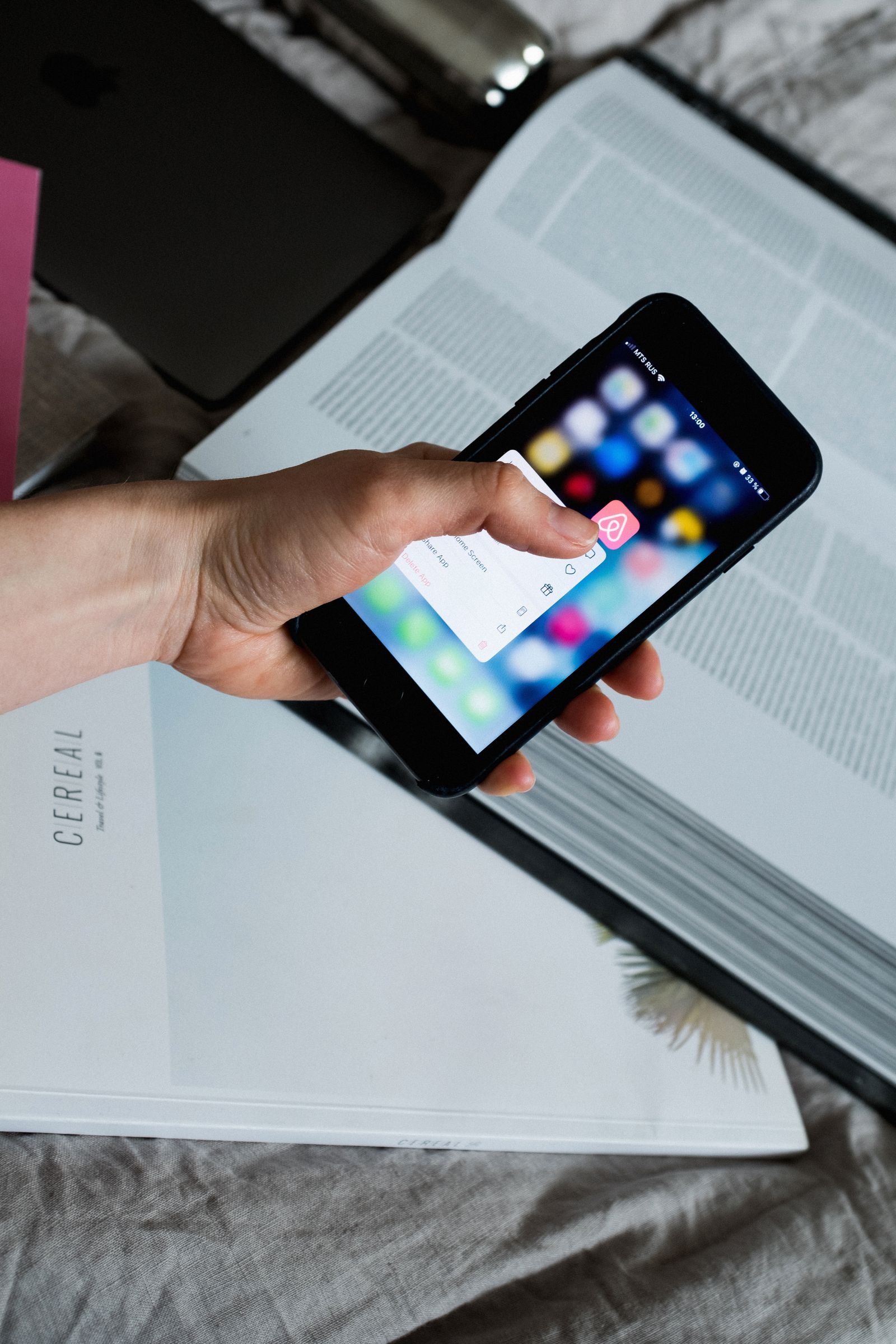
- Long-press its icon > App info > Uninstall.
No recent ad to catch? Open the Play Store > your profile > Manage apps & device and sort by recently installed. Uninstall anything you do not recognise, starting with the newest. Also delete any app whose icon disappeared from your drawer but still shows in Settings > Apps — hidden-icon apps are a classic ad machine.
Removing junk apps like these is also step one in our guide to making your Android phone faster.
Fix 2: Turn Off “Display Over Other Apps” for Suspicious Apps
Ad apps need the permission to draw on top of other apps. Remove it:
- Go to Settings > Apps > Special access > Display over other apps (on some phones: “Appear on top”).
- The list shows which apps can float above everything. Messaging and call apps legitimately need this; a torch, cleaner or wallpaper app does not.
- Switch it off for anything suspicious, or uninstall that app entirely if you do not use it.
Fix 3: Stop Browser Pop-Ups and Spam Notifications in Chrome
If websites keep sending you ads as notifications, a site tricked you into pressing “Allow”. Clean it up:
- Open Chrome > three dots > Settings > Site settings > Notifications.
- Look under Allowed. Remove every site you do not genuinely want updates from — gambling, “news” and prize sites are the usual offenders.
While you are there, also open Site settings > Pop-ups and redirects and make sure it is set to blocked.
Fix 4: Turn Off Your Phone Brand’s Built-In Ads
Budget phones from brands like Xiaomi/Redmi, Infinix, Tecno, Realme and Samsung carry system-level ads and “recommendations” in their own apps (file manager, themes, app store, security app). You can reduce most of them:
- Xiaomi/Redmi: Settings > Passwords & security > Authorisation & revocation > switch off msa. Then open each system app’s own settings and turn off “Show ads” / “Recommendations”.
- Infinix/Tecno (HiOS/XOS): Open the built-in app store and Palm Store settings and disable personalised recommendations; in Settings, search “recommendations” and switch off what you find.
- Samsung: Settings > Privacy > turn off Receive marketing information and disable the customisation service ads.
The exact names differ by model, but every brand hides these switches somewhere in Settings — searching the brand’s name plus “recommendations” in the Settings search bar usually finds them.
Fix 5: Remove Ad-Heavy Free Apps, or Choose Their Lite Versions
Some free apps are simply ad delivery boxes with a small feature attached. If a basic torch, file manager or scanner app shows a video ad every thirty seconds, delete it — your phone already has a torch, and Google Files or your built-in file manager does the rest. Where an app is genuinely useful, check whether the developer offers a “Lite” version or a cheap one-time “remove ads” purchase.
Fix 6: Only Install Apps from the Play Store — and Check Them
Most ad-injecting apps arrive as APK files shared over Bluetooth, WhatsApp or downloaded from random websites. Keep Play Protect on (Play Store > profile > Play Protect), let it scan, and before installing any app, glance at its reviews sorted by “Most recent” and check what permissions it asks for. A wallpaper app that wants your contacts and location is telling you exactly what it plans to do with them.
Our full guide to downloading apps safely and avoiding fake apps shows the checks to run before every install.
Fix 7: Reset Advertising ID and Opt Out of Ad Personalisation
This one does not remove ads, but it reduces the creepy tracking behind them: go to Settings > Privacy > Ads and tap Delete advertising ID. Apps then cannot build a profile of you across other apps, and the ads that remain become generic rather than targeted.
Ad settings are part of a bigger picture — work through the best Android privacy and security settings next.
Fix 8: If Nothing Works, Check for Malware Properly
If full-screen ads continue after all the steps above, run a full scan with Play Protect, and if you still have no luck, back up your photos and contacts and do a factory reset, then reinstall apps one by one from the Play Store only. A reset is a last resort, but a phone that pushes ads by itself after cleanup sometimes has something deeper installed — and a clean start is cheaper than living with it.
Quick Summary
- Full-screen ads = one bad app. Catch it with the Recent Apps button and uninstall it.
- Browser spam = a site you allowed. Remove it in Chrome’s notification settings.
- Brand ads = switch off “recommendations” in your phone’s own settings.
- Prevention = Play Store only, Play Protect on, suspicious permissions refused.
Frequently Asked Questions
Why did ads suddenly start appearing on my phone?
Almost always because a new app was installed — or an old app updated itself into an ad pusher. Check your most recently installed apps first; the timing is rarely a coincidence.
Can I remove YouTube ads with these fixes?
No. YouTube’s ads are served from the same pipes as its videos, so these fixes cannot remove them, and modified YouTube apps risk your Google account. The official route is YouTube Premium; anything else is a gamble.
Do “ad blocker” apps from the Play Store work?
Most Play Store “ad blockers” can only filter inside their own built-in browser, because Google does not allow store apps to block ads in other apps.
Keep the cleanup going with our guide to downloading apps safely and our Android privacy and security settings — right here on Ehsas Tips.

Sharjeel Rana manages Ehsas Tips and writes practical mobile guides in simple language.