Your phone used to reach the evening easily. Now it drops from 40 to 15 percent during one bus ride, and you charge it twice a day. That does not always mean an app is misbehaving. Every battery slowly wears out with use, heat and time. This is battery health, and it is different from the percentage at the top of your screen.
This guide shows you how to check that health on Samsung, Pixel, Xiaomi, Infinix, Tecno and other Android phones, understand charge cycles, spot a dying battery, and slow the wear down.
What Battery Health Means in Simple Words
Think of your battery like a water bottle. When the phone was new, it held a full litre. After two or three years, the same bottle might hold only 800 millilitres, even when it looks full. Battery health is that remaining capacity as a percentage. Around 90 to 100 percent is excellent, 80 to 89 percent is normal wear after a couple of years, and below 80 percent most people notice shorter backup and sudden drops. Android does not show this number in one standard place on every brand, so the methods below start with what is built into your phone.
1. Check Battery Health in Your Phone Settings
On many Samsung phones, open Settings, tap Battery, and look for Battery protection or battery information; newer models may show maximum capacity there. Samsung also offers a diagnostic through the Samsung Members app: open it, tap Support or Diagnostics, choose Battery status, and let the test finish. It describes the battery as good, normal or weak and shows its capacity.
On Google Pixel phones, open Settings, tap Battery, and then Battery health on supported models. Pixel also has a Battery diagnostics option under troubleshooting that asks a few questions and checks for common problems. On Xiaomi and Redmi phones, go to Settings, tap Battery, and look for Battery health or a protection page. Some Xiaomi models show an estimated health percentage and the battery temperature.
Infinix, Tecno, Vivo and Oppo phones vary more. Check Settings, then Battery, and look for Battery health, Battery protection or More settings. If your phone shows only usage graphs and no health figure, do not worry — that is common, and the next methods help you judge the condition.
2. See Which Apps Are Draining the Battery
Poor health and heavy apps can look the same, so separate the two before you blame the battery itself. Open Settings, tap Battery, and then Battery usage. You will see which apps used the most power in the last 24 hours.
If one app you barely opened is near the top, that is a software problem, not a dying battery. Restrict it, update it or uninstall it and test for a day. Games, social media, maps and video apps are expected at the top if you used them a lot. In Pakistan, weak signal is another hidden drain, because the phone works harder to stay connected in low-coverage areas. If your battery falls fast only in one building or village area, signal may be the real cause.
Only when no single app explains the drain, and the phone still dies early on light use, should you suspect the battery’s health itself.
3. Understand Charge Cycles
A charge cycle means using an amount equal to the battery’s full capacity, not one plug-in. Charging from 50 to 100 percent today, and again tomorrow, adds up to roughly one full cycle.
Most modern batteries keep about 80 percent of their capacity after roughly 500 to 800 full cycles. At one full cycle a day, that point can arrive in about two years, which is why a heavily used phone often feels tired in its third year.
Some phones show the cycle count in Settings, About phone, Battery information, next to the manufacture date and health status. If yours does not, estimate it: a two-year-old phone charged fully every day has probably passed 600 cycles. The exact number matters less than the symptoms in the next section.
4. Watch for the Real Signs of a Dying Battery
One weak day proves nothing. A dying battery shows a pattern over several weeks:
The percentage jumps or falls suddenly, for example from 30 percent to 12 percent in a few minutes without heavy use. The phone switches off at 10 or 20 percent and, when plugged in, restarts showing a very different number. You need two full charges for a day that once needed one. The phone becomes warm during ordinary tasks like messaging, not only during gaming. The back of the phone feels slightly raised, or the screen edge lifts. That last sign is serious: a swollen battery can damage the phone and is not safe to keep using. Stop using the phone, do not press the back down, do not charge it overnight, and take it to a service centre as soon as you can.
5. Use the 20 to 80 Habit When You Can
Batteries wear fastest at the extremes. Keeping a battery at 100 percent for long hours, or letting it sit at zero, puts more stress on it than working in the middle range. A practical rule used worldwide is to charge up to about 80 percent for daily use and plug in again before it falls below about 20 percent.
This does not need to become an obsession. If you have a long travel day, charge to 100 percent and use the phone fully. The habit helps when it is easy, at home or at a desk. Many phones can help automatically: look in Battery settings for Battery protection, Adaptive charging, Optimised charging or a charge limit, and turn it on if you usually charge overnight.
Charging habits and charging speed go together — see our safe ways to charge your phone faster.
6. Protect the Battery From Heat
Heat is the biggest enemy of battery health in Pakistan, and it does more damage than fast charging. Never leave your phone on a car dashboard or charging under a pillow. Remove a thick case while charging if the phone becomes hot, and avoid heavy games while plugged in, because gaming and charging heat arrive together.
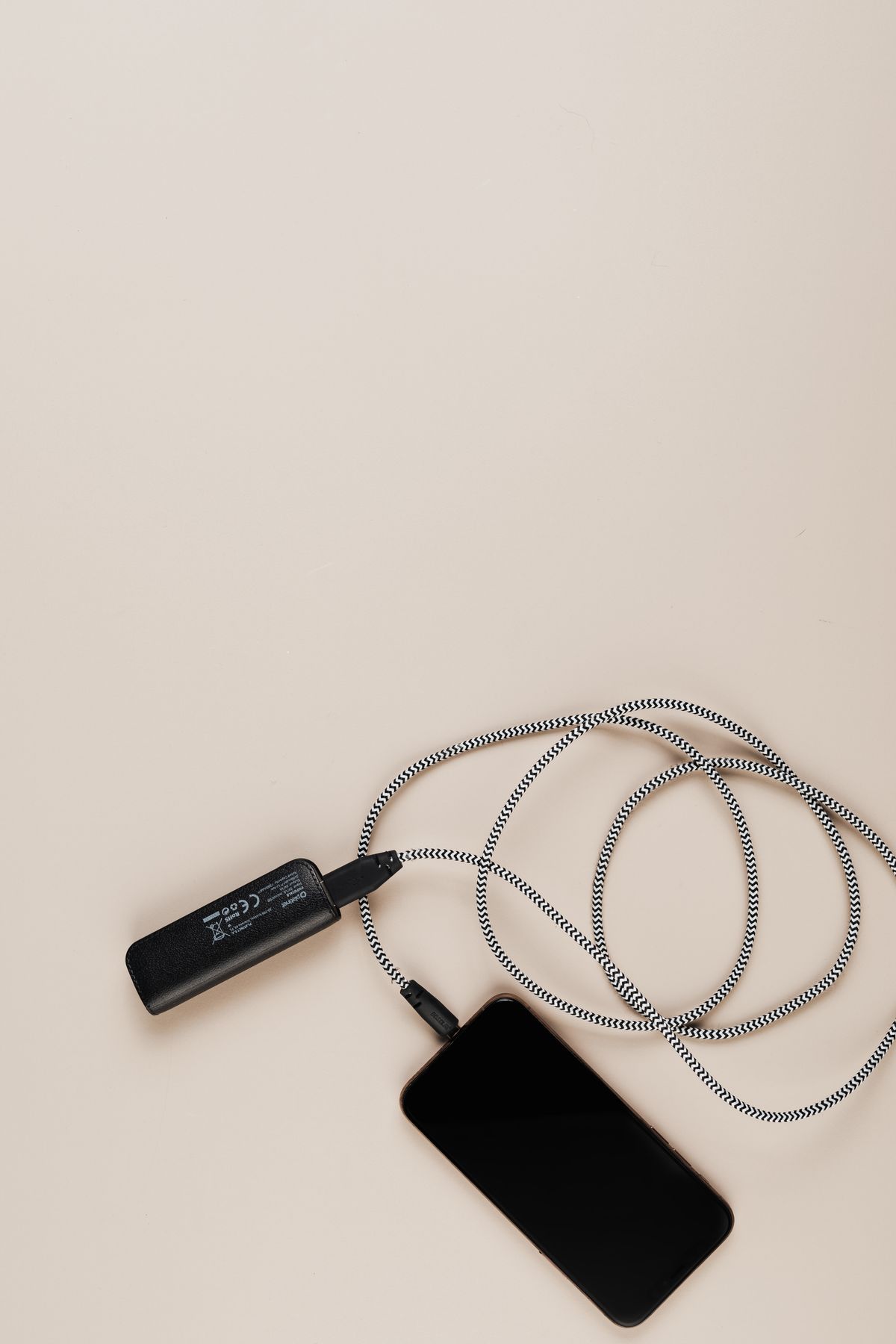
During load shedding, use a decent quality power bank and cable, and stop charging if the phone becomes unusually hot. A slow, cool charge from a reliable charger is kinder than a very fast, hot charge from a damaged cable or a cheap adapter.
For the full list of heat causes, read why your phone gets hot and how to cool it.
7. Charge Sensibly Overnight and Keep Software in Check
Charging overnight is not automatically harmful, because modern phones slow and stop charging as the battery fills. The problem is spending many hours held at 100 percent in a warm room, night after night. If overnight charging is your routine, turn on adaptive or optimised charging so the phone waits near 80 percent and finishes near your wake-up time, and keep it on a hard, open surface, not on the bed.
Also update your phone’s software when a stable update is offered, because brands regularly fix battery bugs through updates, and restart the phone once a week. Do not install so-called battery booster or cleaner apps. Most only close apps aggressively, show adverts, and make the phone work harder reopening everything. Android’s own battery page and adaptive battery setting do this job properly. Once a month, repeat the health check above and note the result. A slow change over months is normal; a sudden change after a drop, water exposure or a repair deserves a proper check.
No power to charge with at all? Our load shedding charging guide covers charging safely when the electricity is out.
8. Know When Replacement Is Worth It
If health is below about 80 percent, shutdowns are frequent, or the battery is swollen, replacement is usually better than struggling on. For a phone that is otherwise fast enough, a new battery from the brand’s official service centre is often far cheaper than a new phone, and it can give the device another two comfortable years. Back up your photos and WhatsApp chats before handing the phone in.
Be careful with very cheap market batteries: they may show 100 percent on day one but lose capacity within months or overheat. Ask for a warranty, keep the receipt, and test the phone before leaving the shop. If the phone is very old and short on storage and updates, put the cost towards a newer phone instead.
Summary Checklist
- Check health in Settings, Samsung Members, Pixel Battery health or Xiaomi’s battery page, depending on your brand.
- Rule out one draining app and weak signal before blaming the battery.
- Remember that about 500 to 800 full charge cycles is a normal working life for most batteries.
- Take sudden drops, shutdowns above zero, constant warmth and any swelling seriously.
- Use the 20 to 80 charging range on ordinary days, and turn on battery protection or adaptive charging.
- Keep the phone cool while charging, especially in summer and during load shedding.
- Use a good charger and cable, and avoid gaming while plugged in.
- Replace the battery at a trusted service centre when health or symptoms say it is time.
Frequently Asked Questions
Why does Android not show battery health like some other phones?
Each brand decides what to display. Samsung, Pixel and Xiaomi show health or diagnostics on many models, while others show only usage. The diagnostics and warning signs in this guide give you a reliable picture even without a percentage.
Does fast charging damage battery health?
Fast charging creates more heat, and heat is what wears a battery. Used normally with the original or a good quality charger, the effect is modest. The real danger is fast charging in a hot room, inside a thick case, or while gaming. If your phone offers a slower standard charging option for overnight use, that is the gentler choice.
Can an app tell me my exact battery health?
Apps can estimate capacity from charging behaviour over several charges, which is useful for spotting a trend. They cannot measure the battery directly, so treat the number as a guide, not a verdict. Your brand’s own diagnostic is more trustworthy.
Is it safe to keep using a swollen battery?
No. A swollen battery should not be charged, pressed or punctured, and the phone should be taken to a service centre promptly. Swelling means gas has built up inside the battery, and continuing to use it risks damaging the screen and the phone itself.
Read next: our safe fast-charging guide and our load shedding charging guide — both here on Ehsas Tips.

Sharjeel Rana manages Ehsas Tips and writes practical mobile guides in simple language.